
Routine disposable glove considerations
- Product grade and intended use
- Material and thickness
- Fit and dexterity
- Available sizing and case quantity
Laboratories
AEKONAMI supplies case quantities of disposable nitrile gloves for laboratory purchasing teams. Compare the exact product grade, intended use, material, thickness, fit, sizing and specifications, then verify task-specific requirements before ordering.

Task-first purchasing
Laboratory glove selection starts with the work being performed: what is being handled, anticipated exposure, contact duration, facility procedures and exact product documentation. Blue nitrile does not automatically mean appropriate for every laboratory chemical, and greater thickness does not automatically establish chemical protection.
Identify the task, materials and anticipated exposure before comparing glove options.
Review applicable SOPs, SDS information and purchasing requirements.
Use the exact product grade, intended use and manufacturer information to guide evaluation.
Documentation matters
For chemical-handling applications, evaluate the exact task and documentation rather than relying on material name, color or thickness alone.
Different substances may interact differently with glove materials.
Compatibility may vary with concentration.
Incidental splash or contact differs from prolonged contact or immersion.
Compatibility and breakthrough considerations can change over time.
These may be relevant when evaluating chemical exposure.
Review applicable safety documentation and exact manufacturer information for chemical-handling applications.
Requirement check
Task-to-stock workflow
Start with the task, materials and anticipated exposure.
Identify whether the work introduces requirements beyond routine disposable glove considerations.
Review facility procedures and applicable documentation before selecting a product category.
Determine the needed product type, then compare exact product information.
Compare these characteristics as purchasing considerations, not as standalone proof of suitability.
Plan the sizes, SKUs and replenishment needed where laboratory work happens.
Compare exact product information
Compare the exact product page for current grade, intended use, specifications, sizes and case quantities. Product classifications differ by SKU.
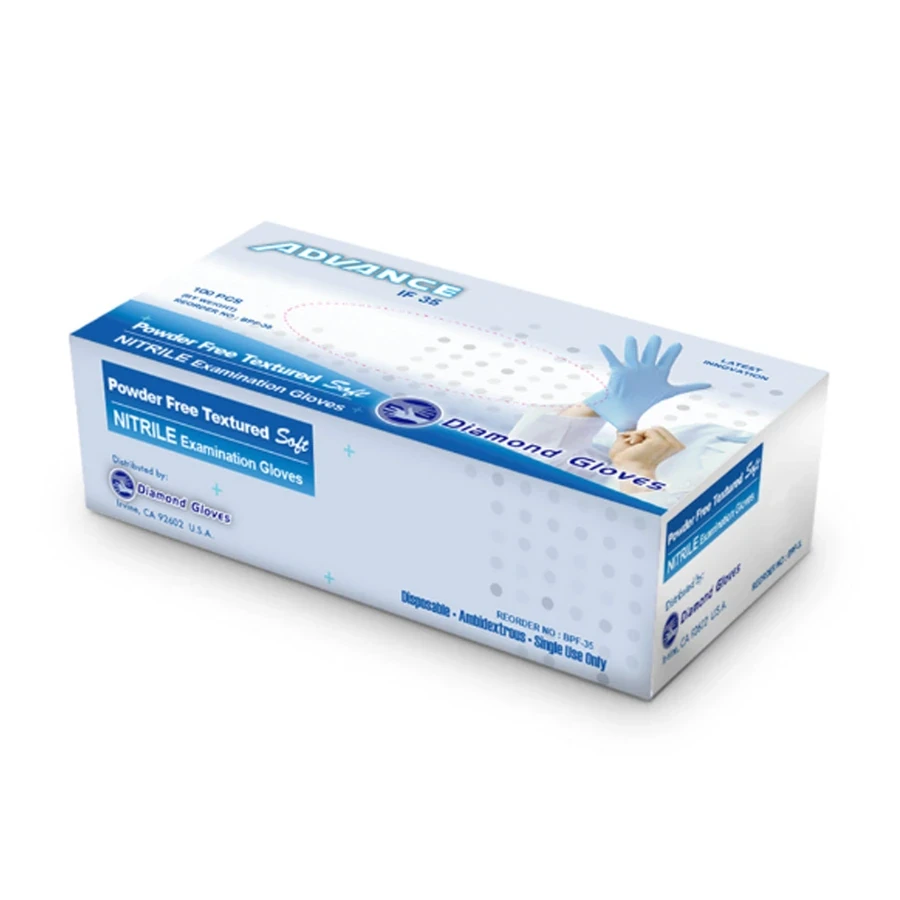
Examination gloves
Model: IF35
Powder-free blue nitrile examination gloves with case quantities for routine supply planning.
View product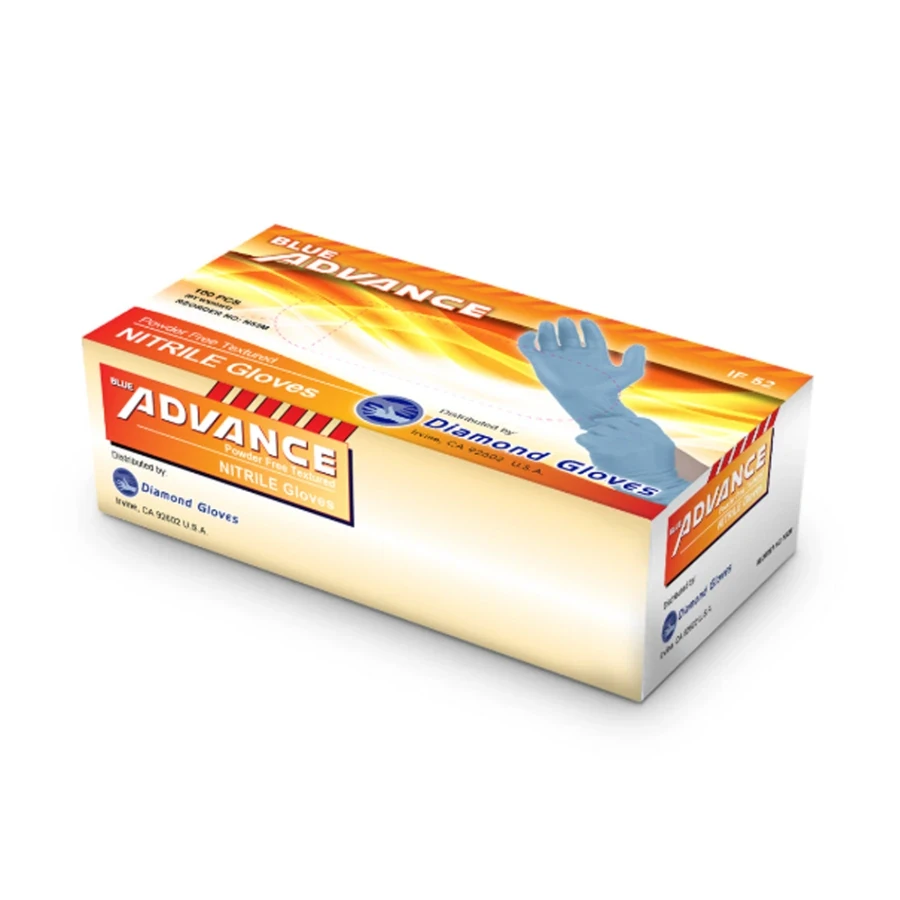
Examination gloves
Model: IF52
Powder-free blue nitrile examination gloves for buyers comparing available sizes and case quantities.
View product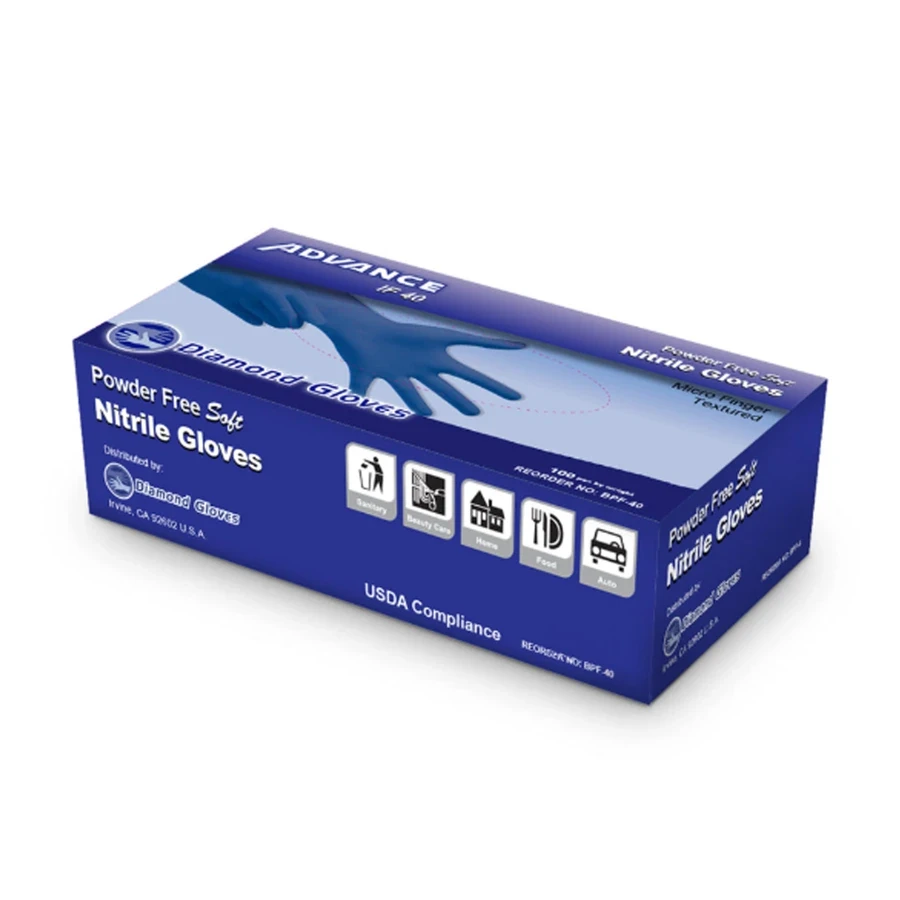
Multi-purpose gloves
Model: IF40
4–4.5 mil blue nitrile gloves. Review the product page for current specifications, sizes, case quantities and intended-use details.
View product
Examination gloves
Model: 500
5 mil blue nitrile exam gloves. Review the product page for current specifications, sizes, case quantities and intended-use details.
View productSeparate questions
Exam-grade status addresses one type of product classification and intended use. Chemical compatibility is a separate, application-specific question. An examination glove should not automatically be assumed compatible with a particular chemical; material and thickness alone do not establish compatibility.
Application context
Bench and room inventory
Laboratory glove availability is not only a product-selection question. Buyers also need the right SKUs and sizes available where work actually occurs.
Plan stock for active benches, shared work areas and separate laboratory rooms.
Use actual staff fit needs and consumption by size to guide replenishment.
Keep commonly used products visible in the purchasing plan and monitor case inventory.
Set a practical reorder rhythm around usage patterns and storage capacity.
Product characteristics
A properly fitting glove may support comfort and control during routine work.
Thickness is one product characteristic but does not by itself establish chemical compatibility or overall suitability.
Fine laboratory tasks may make fit and hand movement important purchasing considerations.
Reference library
Understand how product classification and intended use can affect a laboratory purchasing review.
Read resourceCompare thickness as one product characteristic without treating it as a standalone compatibility answer.
Read resourceUse sizing guidance to plan a practical staff size mix across benches, rooms and shifts.
Read resourceReview material differences as part of a broader task-first purchasing process.
Read resourceB2B ordering
AEKONAMI sells disposable gloves by the case. 100+ cases is the standard volume-pricing threshold. Laboratories ordering fewer than 100 cases may also request volume pricing; AEKONAMI can review the requested quantity and advise whether additional savings are available.
Free standard shipping within the contiguous U.S.
Purchasing questions
Compare product information, plan case quantities and request volume pricing for your laboratory purchasing needs.
(626) 213-0054